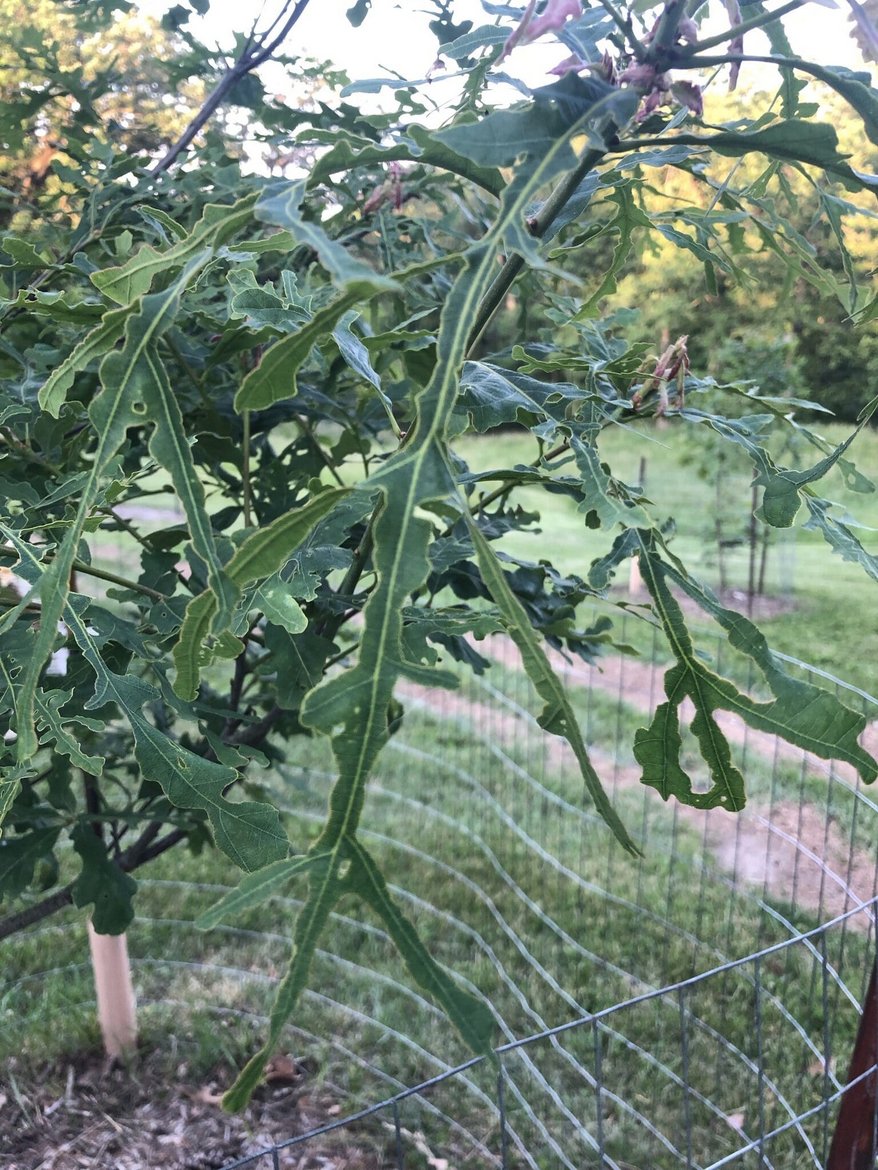
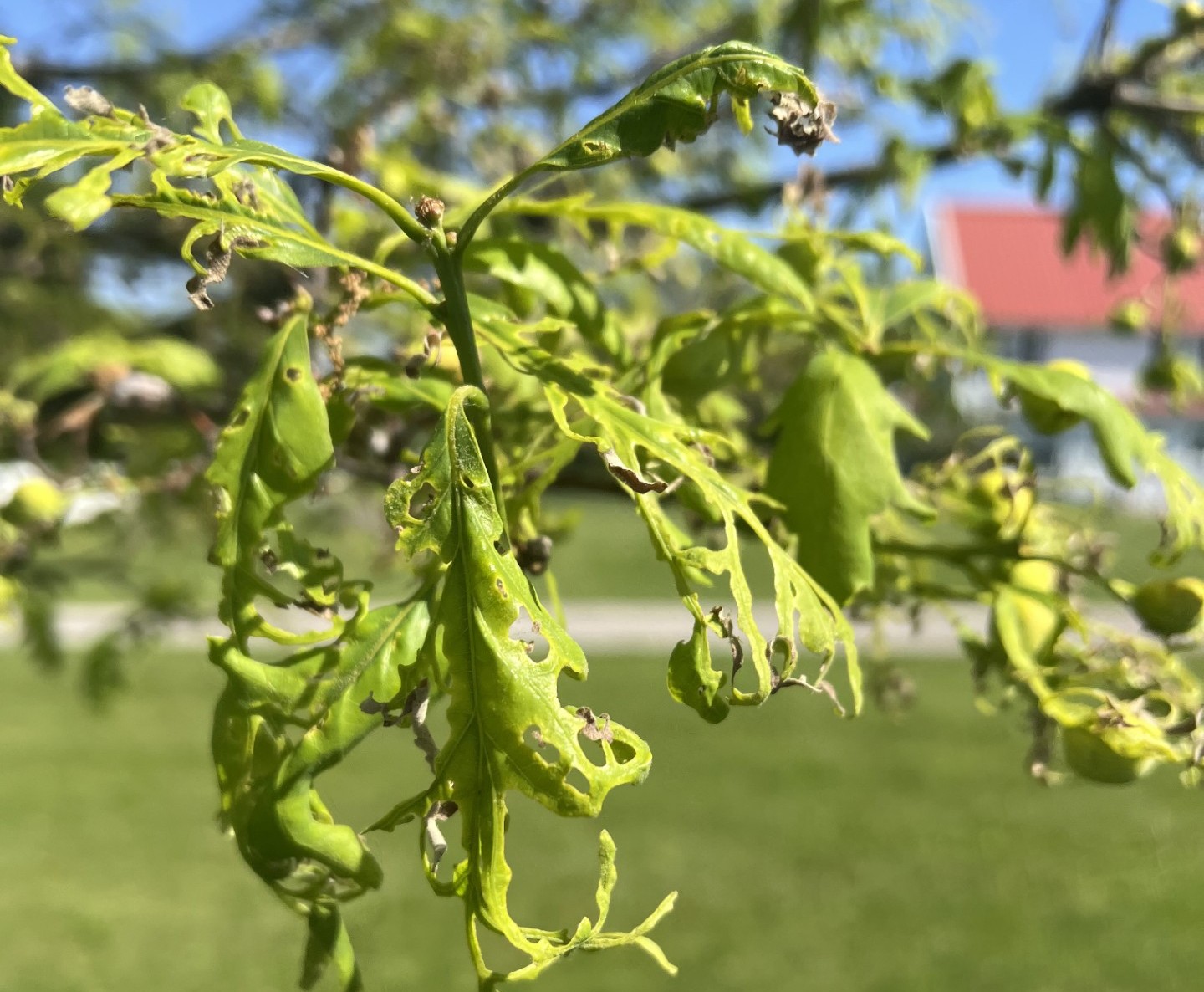
Oak tatters from acetochlor contamination in 2026 at Prairie Oaks Reservation in LeClaire, Iowa. (Ph

Chemical Trespassing on Iowa's State Tree Cannot Be Punished

Tony Singh's 20-Year Quest to Address Pesticide Damage in His Oak Savanna

In 1996, Tony Singh began rewilding a plot of land in LeClaire, hoping to restore its oak savanna, native prairie, woodlands, and wetlands. Fewer than five years later, he noticed the leaves on his oak trees were in tatters.
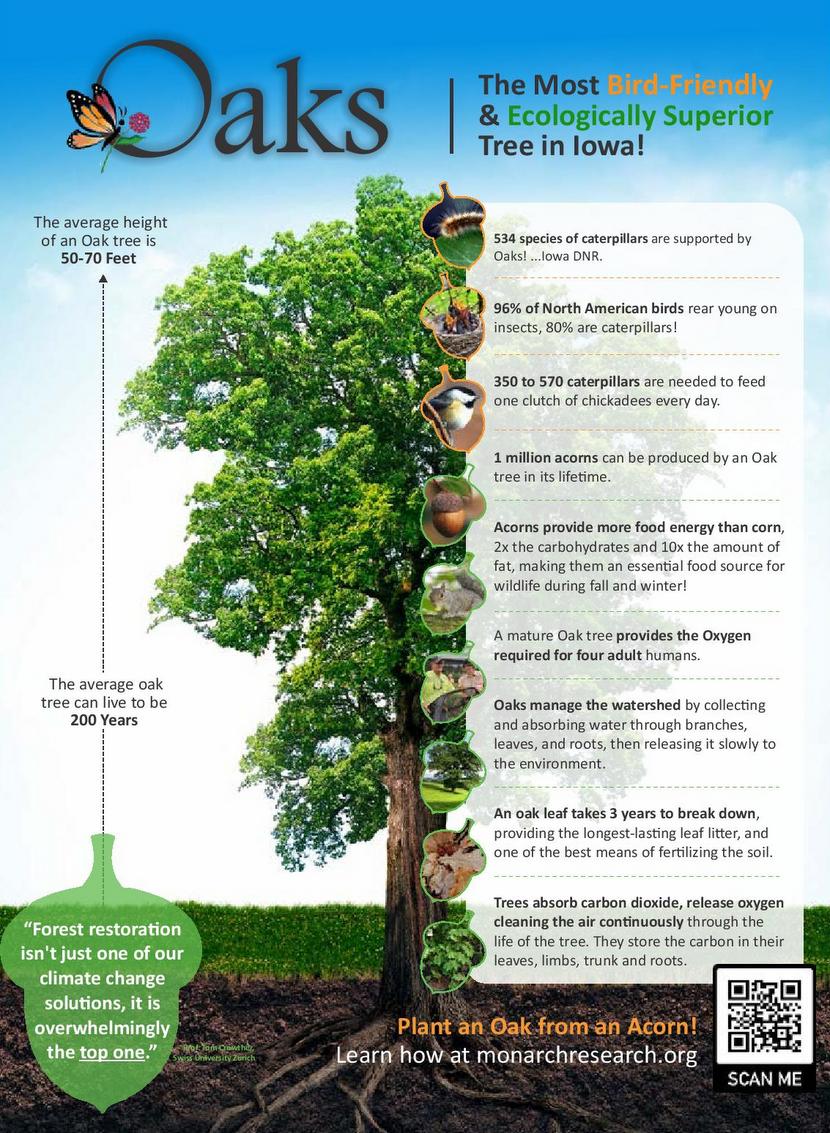
We're very pleased to publish Douglas Tallamay's original essay for the Reader on the importance of oak trees. For an even deeper dive we highly recommend his 2021 book The Nature of Oaks. It's full of richly produced color photos and its presentation is a work of art unto itself. Here's an excerpt from the book, regarding how and why the oak tree is the “keystone species.”

We hear much about the climate crisis, and rightly so. What many of us fail to appreciate is that our disregard for the well-being of biodiversity, is as grave a threat to humans as climate change is, because it is healthy, productive ecosystems, not Best Buy or Costco, that support us, and it is biodiversity that makes ecosystems healthy and productive. To put it bluntly, we are destroying the natural world that we cannot live without.

The resulting deformation of the emerging leaves is heartbreaking. Over the last 20 years, we have called several times, and asked for an inspector to come and collect damaged leaf samples for the analysis by IDALS, the Iowa department of Agriculture and Land Stewardship. The results come back with a cocktail of noxious chemicals, and always include Acetochlor, Atrazine, and, in recent years, Dicamba and 2,4-D.