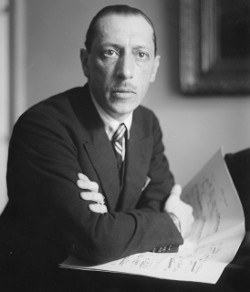
 Within seconds of the new ballet's unusual musical beginning - a solo bassoon - the audience began hissing and making comments. As the music burst into unchanging pitches of repeated rhythmic patterns, the curtain opened with strangely costumed dancers stamping their feet in a pigeon-toed position. No traditional tutus and toe shoes here; they wore long-sleeved dresses, headbands, and cross-laced leggings into moccasin-type shoes.
Members of the audience, thinking they were being mocked, started throwing whatever they could grab at the dancers and orchestra. Other audience members tried to stop, or at least restrain, the angry protesters by beating them with canes, hats, and coats, or shouting them down. The uproar became so loud that the dancers were unable to hear the orchestra. Disgusted by the fracas, the composer left his seat for the backstage wings, where the choreographer was calling out the rhythmic counts for the on-stage dancers.
After roughly 40 of the worst offenders were extricated by ushers and management, order was finally restored midway through the performance, and the remainder of the ballet was presented to an attentive though stunned audience.
At the conclusion, the response was mixed: Some were outraged by the raw music and unconventional choreography, but others gave the performers and composer several curtain calls and were intrigued by how, with his music, Igor Stravinsky could resolve the contradiction between a modern symphony orchestra and scenes of ancient tribal rituals. And it was how he solved the problem that changed music history.
It was May 1913, and Stravinsky's The Rite of Spring: Scenes of Pagan Russia was being debuted at the month-old Théâtre des Champs->lysées in Paris. The near-riot was perhaps appropriate for a piece that revolutionized musical thinking, elevated rhythm to its own art form, and stands as arguably the most important composition of the 20th Century. Now, 100 years later, the Quad City Symphony Orchestra will perform The Rite at its March concerts.
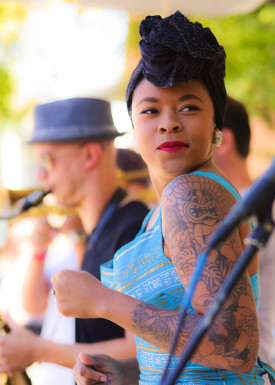 Based on her vocal confidence and itinerary, it's hard to believe that Nikki Hill is by her own admission a neophyte on the music scene.
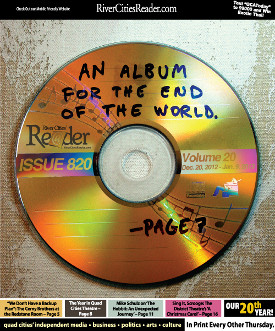 For the seventh year, I've compiled a selection of favorite songs from the past year and sequenced them into an album - something that can fit on an 80-minute CD, with no artists repeated from previous years and a limit of one song per artist.
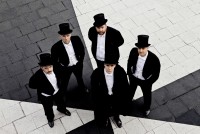 The Hives, "My Time Is Coming." There's always been a threatening edge to the punkish garage rock of the Hives, but it's always been obliterated by cheekiness, matching outfits, and a bright bluster that made it impossible to take anything at all seriously. Here, the title and chorus are far from earnest, but both the music and vocals carry something darker - not of getting one's due but of seizing out of desperation and deprivation ("You see I grew up in a hole / Squeezing diamonds out of coal"). The reverb-heavy guitar and the quiet opening before detonation represent minor aesthetic developments for the Swedes, but the biggest change is how they tap into a rage that for once feels authentic.
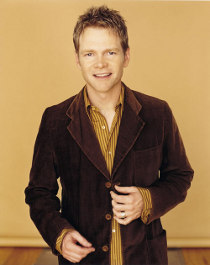 Our area's roster of holiday-themed concerts, which began with November 17's annual Holiday Pops at the i wireless Center, will continue at the Moline venue with November 30's 12 Gifts of Christmas, a New Anthem presentation emceed by Lisa Whelchel of The Facts of Life fame and showcasing performances by, among others, contemporary Christian artists and Grammy Award winners Steven Curtis Chapman and Laura Story.