In the middle of the turbulently self-expressive, politically conflicted, structurally groundbreaking nine symphonies of Ludwig van Beethoven is a quiet outlier, a revolutionary work whose only discord is a thunderstorm.
It's hard to believe, but the tumultuous Fifth and the mild-mannered Sixth symphonies were premiered in the same ice-cold Vienna theater on December 22, 1808. Conceptually contrasting pieces, each work taps into a distinctly different aspect of Beethoven's personality. No. 5 is an emphatic example of how he portrayed his life through music - bitterness with Vienna, romantic failures, increasing deafness, and frustration with the music politics of the aristocracy. But Symphony No. 6 ("Pastorale") is devoid of this me-against-the-world battle. The conflict is gone because Beethoven had no conflict with nature. No. 6 is simply an observation and organization of what he called "the feelings of nature" put into music, and it enlarged the possibilities for the symphony as a form.
When Maestro Mark Russel Smith cues the Quad City Symphony to begin the "Pastorale" on November 3 and 4, don't listen for themes of fate, politics, or philosophy; let Beethoven's retreat into nature be your respite for 40 minutes. He points the way in his musical story by titling each movement so we know exactly what it's depicting - a first for a large-scale symphony.
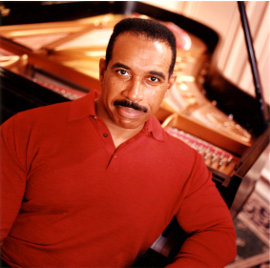 On any given day, you can find the acclaimed classical pianist Leon Bates headlining one of the world's most renowned concert halls, or playing alongside one of America's most prestigious symphony orchestras, or performing and educating as an artist-in-residence - a position he's currently filling as Quad City Arts' latest Visiting Artist.
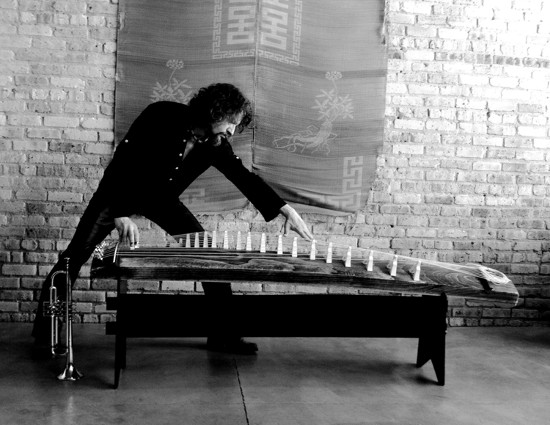
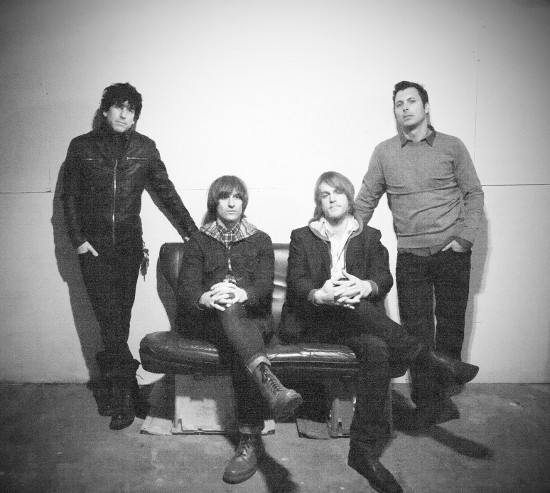

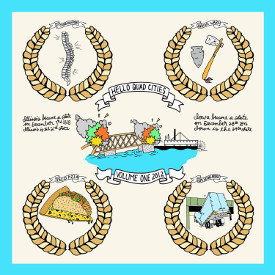 The first thing to stress about Hello Quad Cities - Volume 1 is that as compilations go, it's strong from front to back and varied without feeling scattershot. The challenging format tends to result in well-intentioned hodgepodges of second-rate leftovers, but the tracks here - from 12 area bands - are all exclusive, and most were written specifically for the compilation. More importantly, while you might not find all of them to your liking, there isn't a weak link.
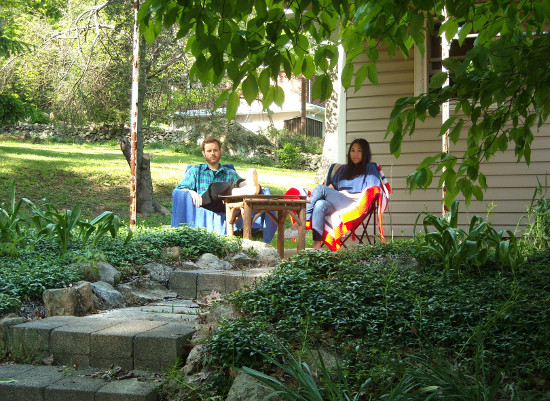
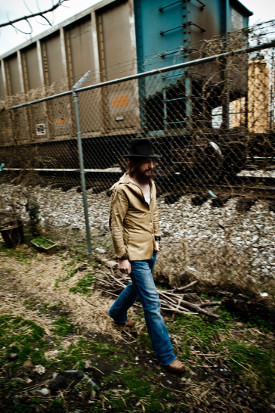 The Deadstring Brothers never really went away. But in early 2011, singer/songwriter/guitarist Kurt Marschke retired the outfit as a band and instead performed alone under its name - singing and accompanying himself on drums, guitar, and harmonica.