Going to the cineplex this weekend? Every Friday morning at 9 a.m. you can listen to Mike Schulz dish on recent movie releases & talk smack about Hollywood celebs on the Quad City Rocker 104.9FM, with the fabulous morning team of Dave and Darren. The morning crew previews upcoming releases, too.
Or you can check the Reader Web site and listen to their latest conversation by the warm glow of your computer.
Never miss a pithy comment from these three scintillating pundits again.
Friday, February 7, 2014: After an appreciation of the gone-far-too-soon Philip Seymour Hoffman, discussion of "Labor Day," "That Awkward Moment," and "All Is Lost," previews of "The LEGO Movie," "Vampire Academy," and "The Monuments Men," and the guys' pitch for a really great-sounding movie: A comedy -- maybe starring Bill and Ted? -- in which time travelers convince a young Adolph Hitler that his artwork is actually sensational, thereby changing the future for the much, much better.
mp3

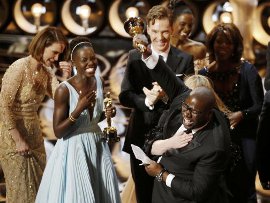 Last night, at the tail end of her opening monologue, Academy Awards emcee Ellen DeGeneres took a moment to acknowledge the year's tight race for Best Picture, and stated that "anything can happen" regarding the evening's biggest prize. "Possibility number one: 12 Years a Slave wins Best Picture," she said. "Possibility number two: You're all racists."
 NON-STOP
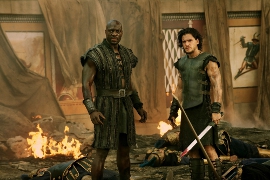 POMPEII
 When it comes to the films and individuals that win Academy Awards, it's easy to get defensive, and even a little pissy, about voters' collective choices. "How could those people ever vote for ______," you find yourself asking, "when ______ is so obviously better? Don't they have any integrity at all?!"
 Music
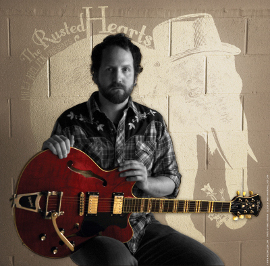
Music ROBOCOP, ABOUT LAST NIGHT, and ENDLESS LOVE
 THE LEGO MOVIE
 Music
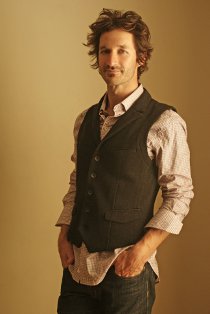
Music Fans of Jules Verne's 20,000 Leagues Under the Sea - either the novel or 1954's live-action Disney movie - should be excited to attend Davenport Junior Theatre's debuting stage version of the adventure classic, running February 15 through 23. Just as long, says playwright Aaron Randolph III, as those 20,000 Leagues fans aren't also 20,000 Leagues purists.