Having first seen the musical in New York with the original Broadway cast, I came in with extremely high expectations. Director/choreographer Chaz Wolcott’s production more than rose to the challenge and made for a truly fantastic night at the theatre.

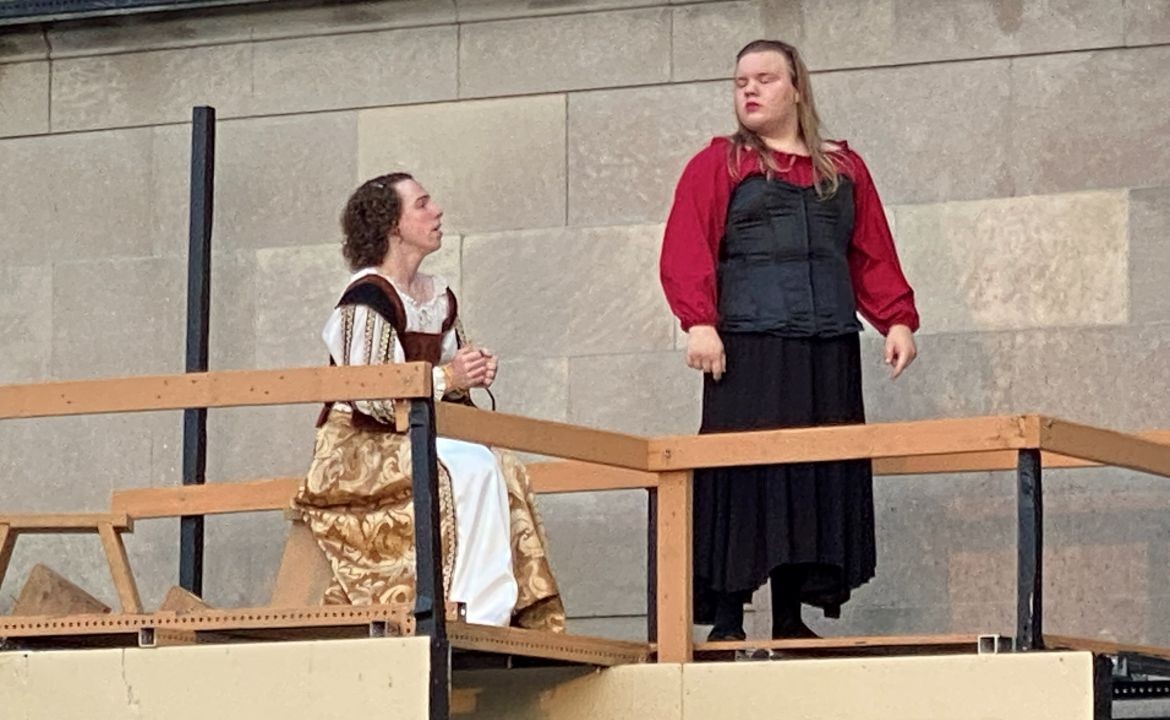
Rather than trying to explain discomfort away, director Cait Bodenbender embraced the play's history by simply casting as Shakespeare himself did: with an all-male cast.

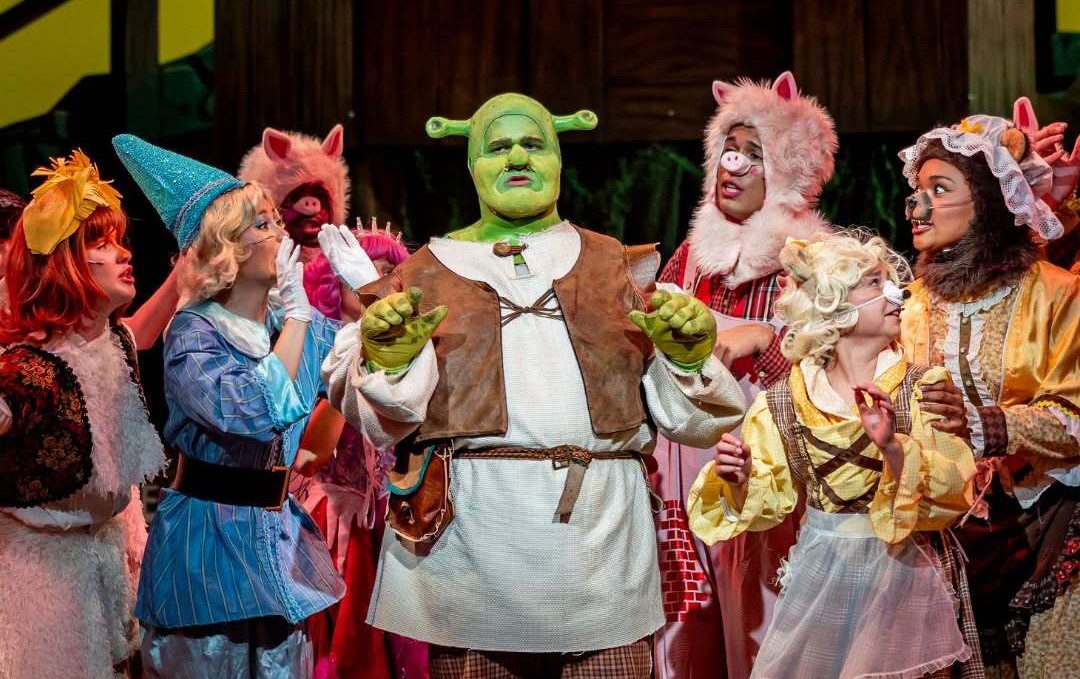
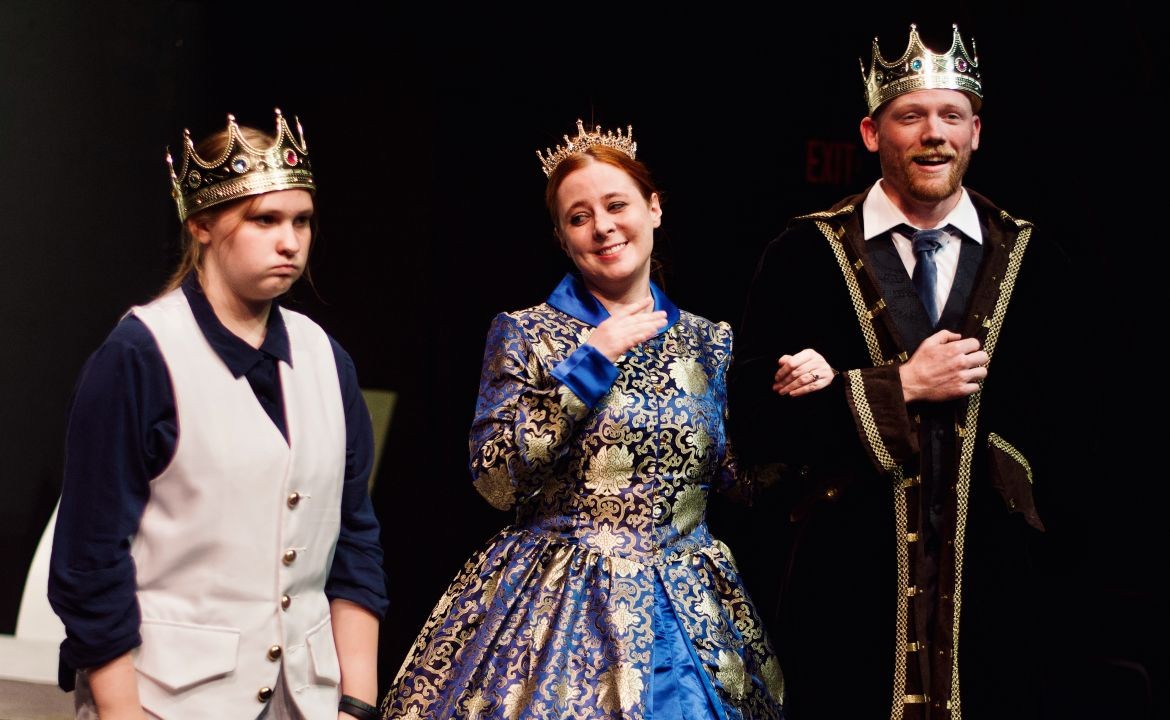
John Glore’s theatrical adaptation preserves the witty, slightly dark sensibility that made the book so beloved by youth and adults alike, and as directed by Jennifer Hoeper, the Playcrafters Barn Theatre's presentation combines adults and children to bring these fractured fairy tales to life.

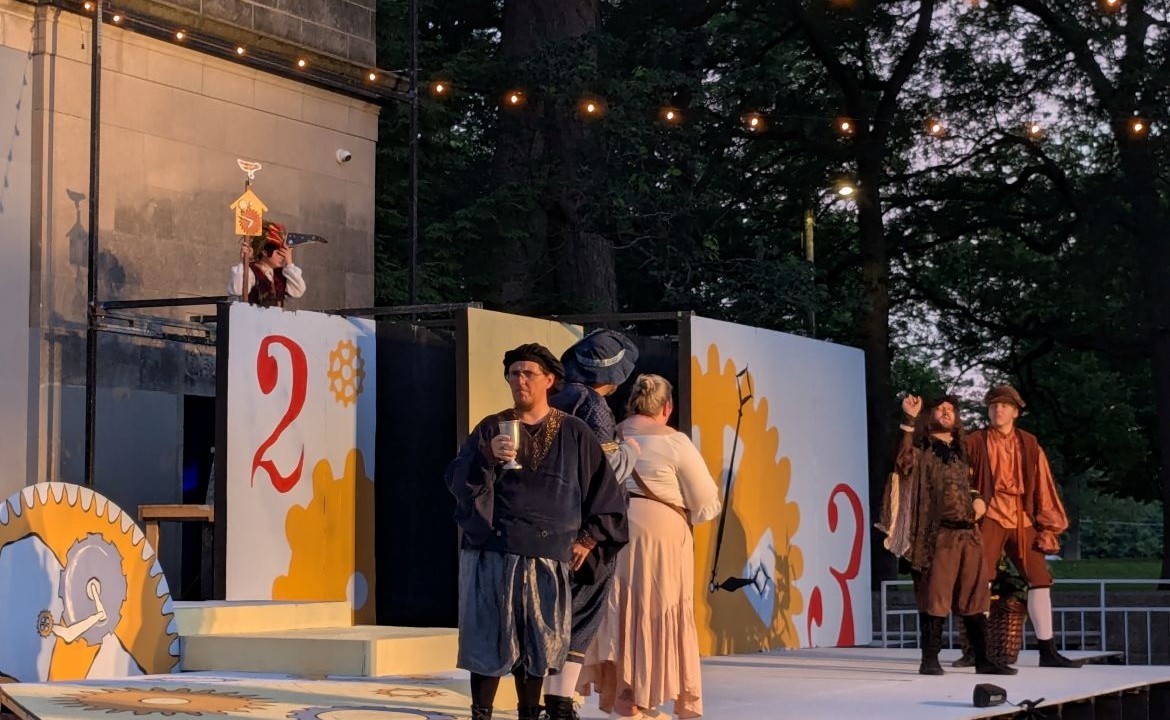
I admit that at Saturday’s opening-night performance, I was initially confused when Genesius Guild's Andy Shearouse explained both the entire plot of William Shakespeare’s Love’s Labour’s Lost and that the set was designed to represent the inner workings of a broken cuckoo clock. One might think both concepts would be self-explanatory. But alas, they were not. In the end, I was grateful for the introductory explanation.

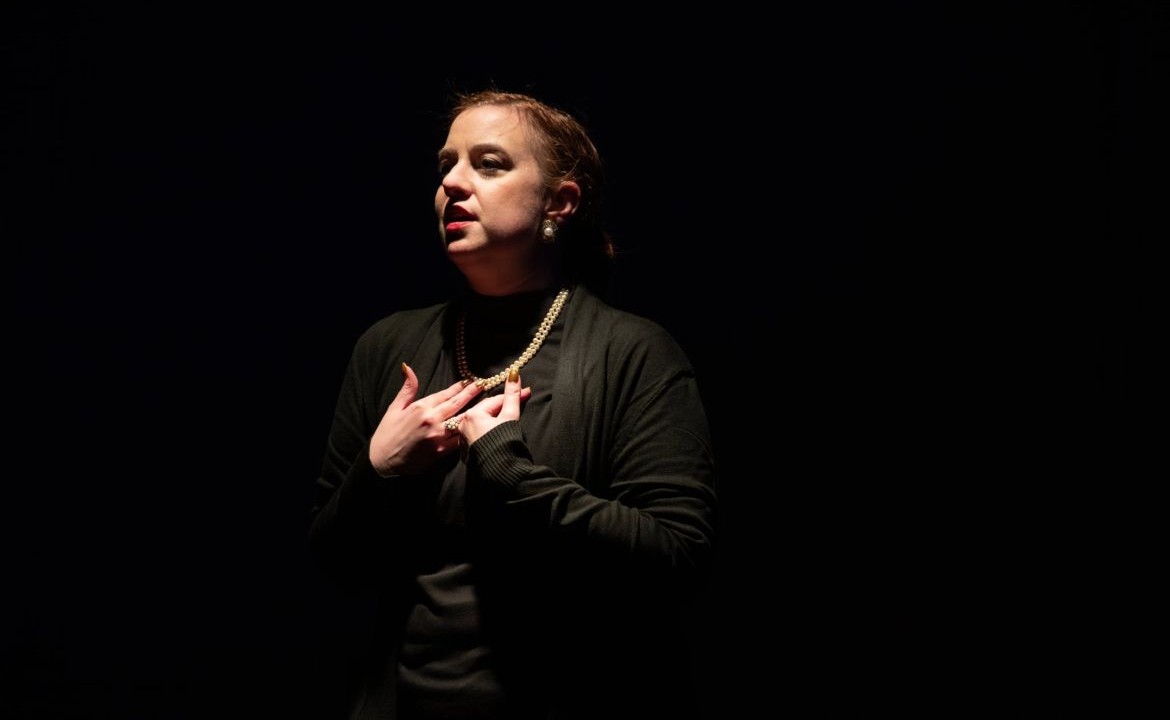
Pairing up with Opera Quad Cities proves to be a recipe for greatness at the Black Box Theatre, because make no mistake: There's something truly special about Master Class.

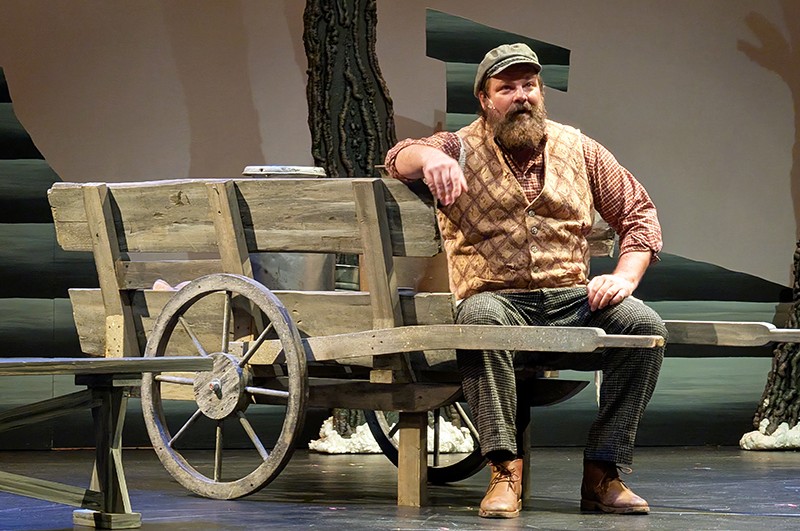
Fiddler on the Roof is often considered one of the final entries in the Golden Age of Broadway era, a period defined by sweeping scores, big ensembles, and stories rooted deeply in character and community. Director Georgette Kleier’s production checks nearly every one of those boxes handily.

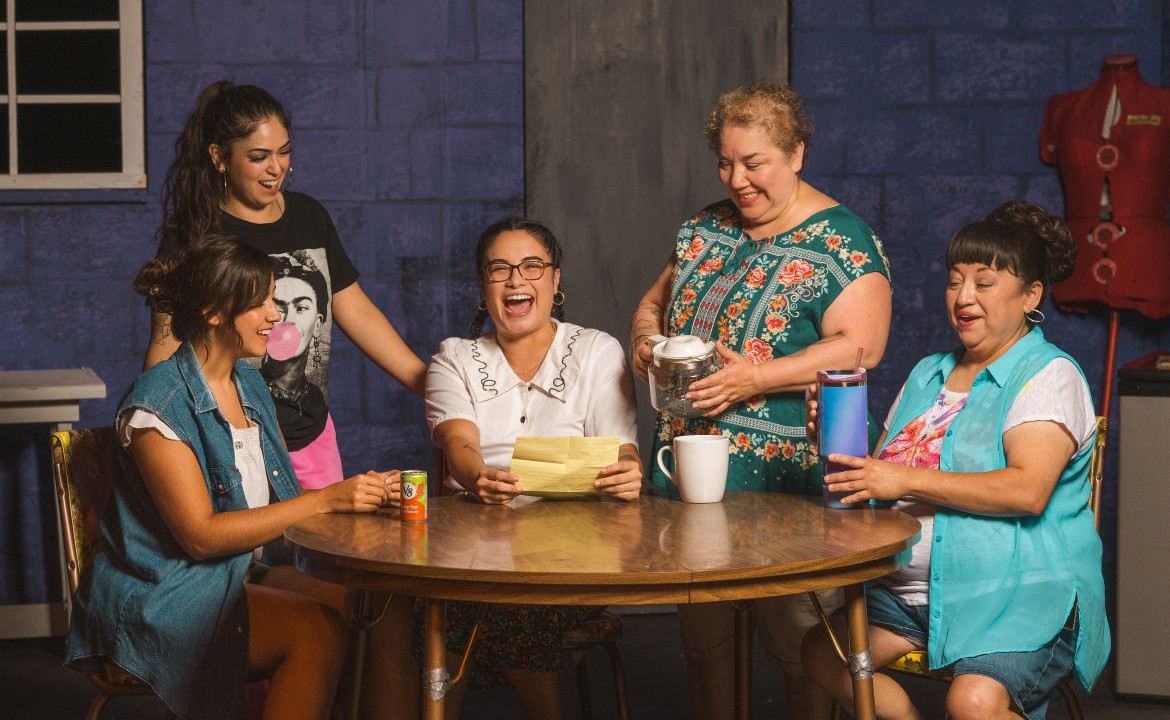
It felt almost like kismet that The Charitable Sisterhood of the Second Trinity Victory Church unfolded during a wild storm that washed out a bridge and stranded its ladies at the church, because the chaos outside mirrored what was happening on stage.

Jeff Adamson, clearly delighted by the room’s laughter on its opening-night performance, leaned into the humor with visible enthusiasm, which only seemed to widen the gap between the show’s tone and my own reaction to it.

What do you get when four young adults’ lives are entangled with one another, yet the full picture doesn’t come into focus until the final moments? You get word play, written by fellow Reader reviewer Alexander Richardson: a tightly woven one-act that asks its audience to lean in, listen closely, and trust the unraveling.

What a night of theatre Thursday night’s What Might Have Been opening proved to be.

Pages