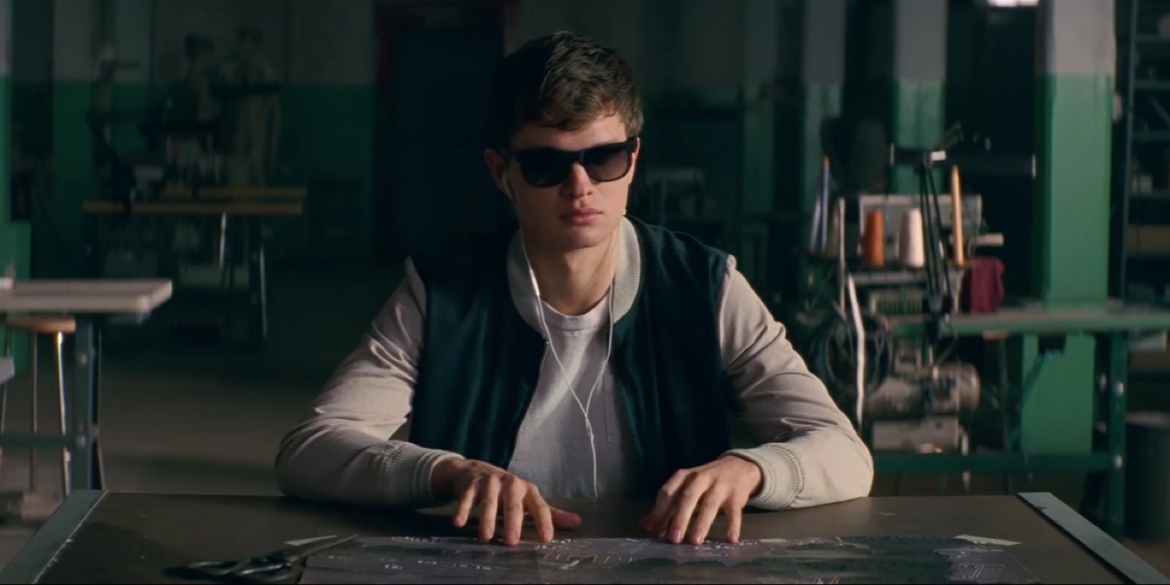
Domestic box office may be comparatively down and aging franchises (and franchise stars) may be showing their whiskers, but if 2017’s movie summer is remembered for anything else, it may be for its habit of turning showcase action sequences into retro music videos.

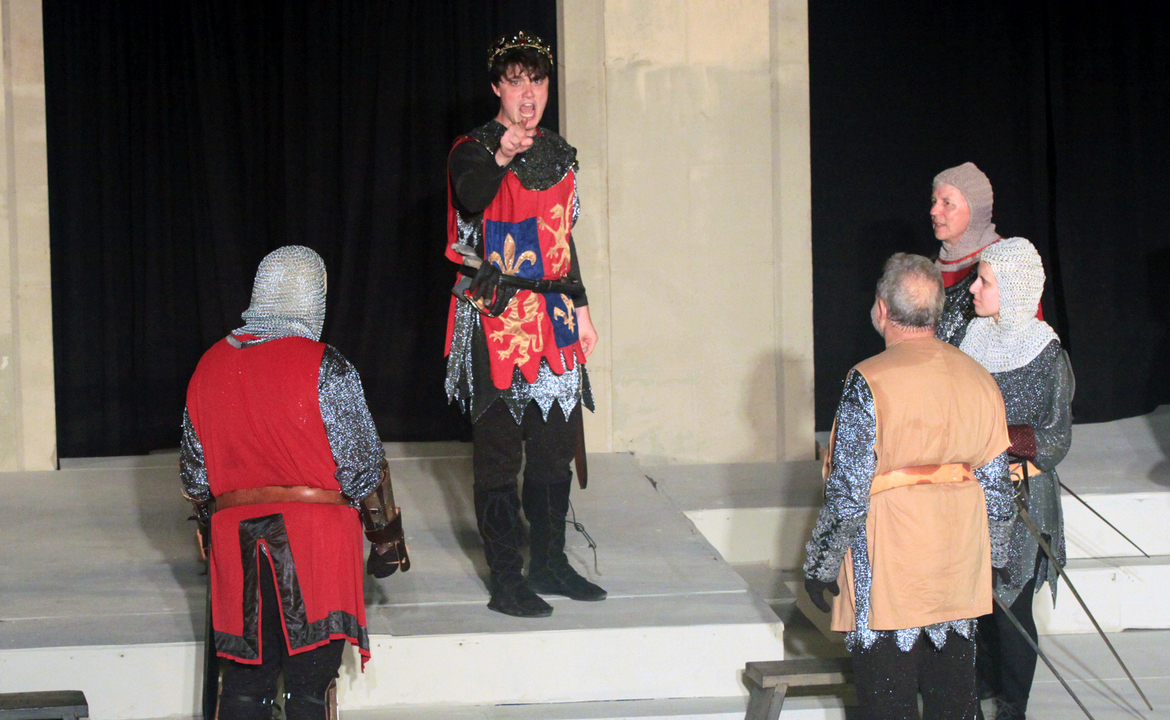
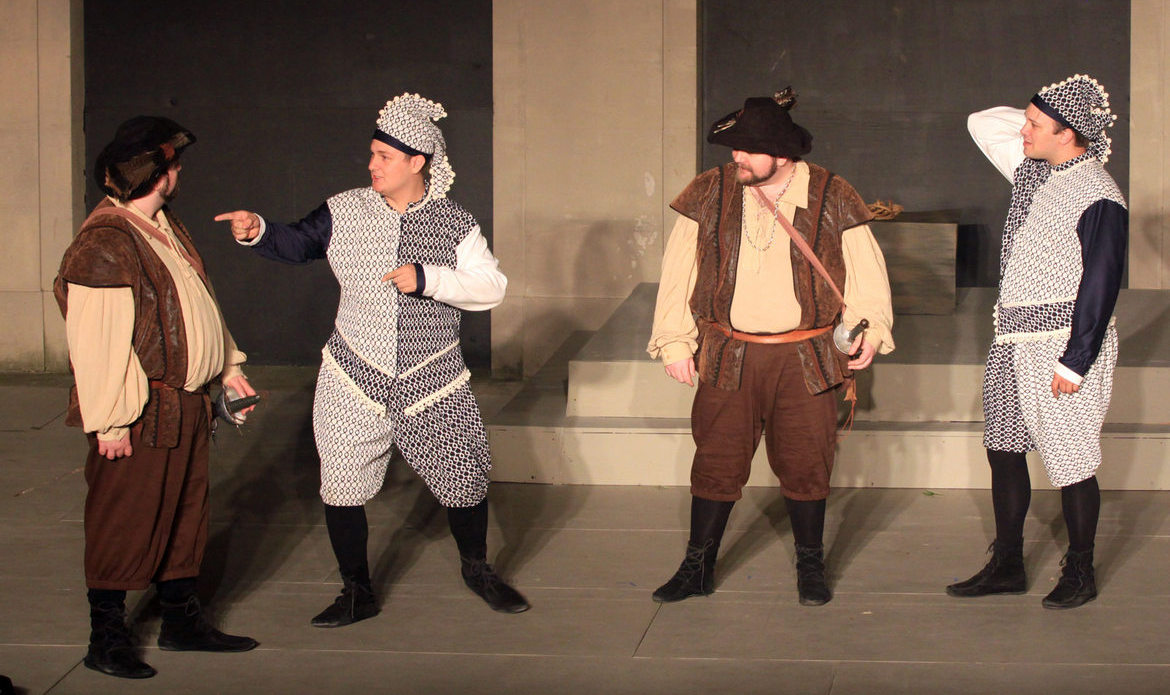
Last week, some friends and I got on the topic of uncomfortable theatre experiences in shows we were in, and I shared one from an opening-night performance in which our lead walked on-stage and uttered the play’s very first line, and an elderly voice in the audience demanded, “Speak up!!!” Regardless of that individual’s age and/or hearing, I considered it a rather rude bit of heckling. But on Sunday, I saw Genesius Guild’s production of Henry V, and ... . Well, let’s just say that I now have more sympathy for that clearly frustrated patron.

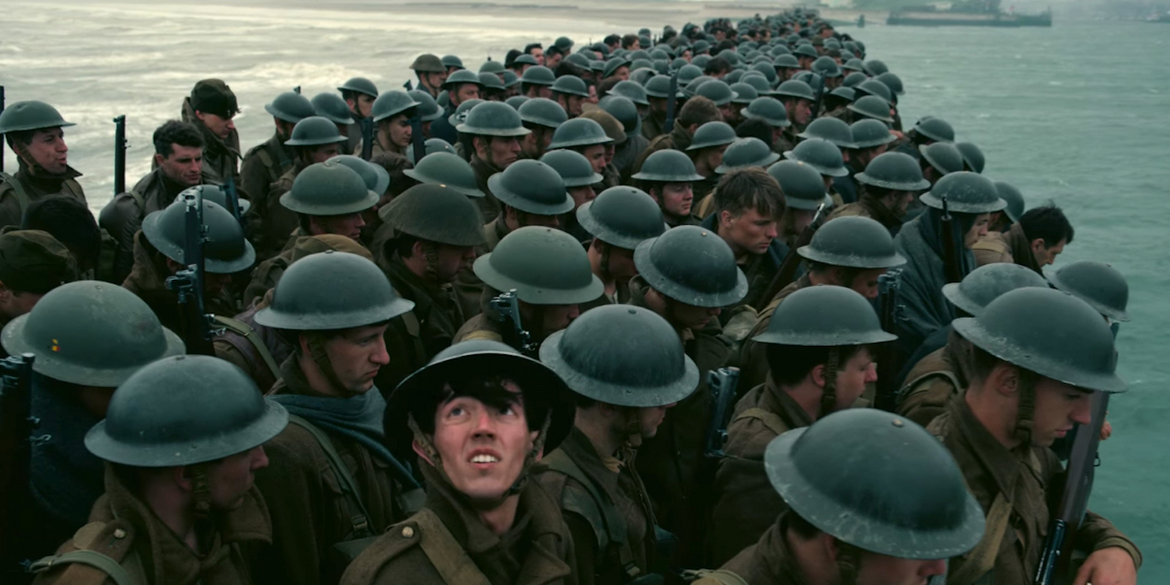
At an hour and 46 minutes, Christopher Nolan’s World War II thriller Dunkirk is the director’s shortest feature film since his 69-minute 1998 debut Following. It may also be his most wholly satisfying. I’d suggest that maybe there’s a lesson to be learned here, but who gives a damn about lessons when confronted with a work this masterful, powerful, and emotionally overwhelming?

Based in Atlanta, The Coathangers collective boasts Meredith Franco on bass, Stephanie Luke on drums, and Julia Kugel on guitar, with their stage noms de guerre Minnie, Rusty, and Crook Kid Coathanger. Like those monikers, much of the musicians’ repertoire is intentionally jokey, ranging from their 2007 debut album’s ode to Tonya Harding to Nosebleed Weekend’s “Squeeki Tiki,” in which one of the instruments employed is a dog’s squeaky toy.

But as fans and reviewers will attest, what isn’t a joke is the group’s ferocious talent, and their insistence that full-throttled punk rock needn’t be nihilistic. As ConsequenceOfSound.net attested, the trio’s latest album “exemplifies what The Coathangers have been doing better than pretty much everyone for the past decade: blowing off the rules in the name of fun, and making damn catchy records almost as an afterthought.”


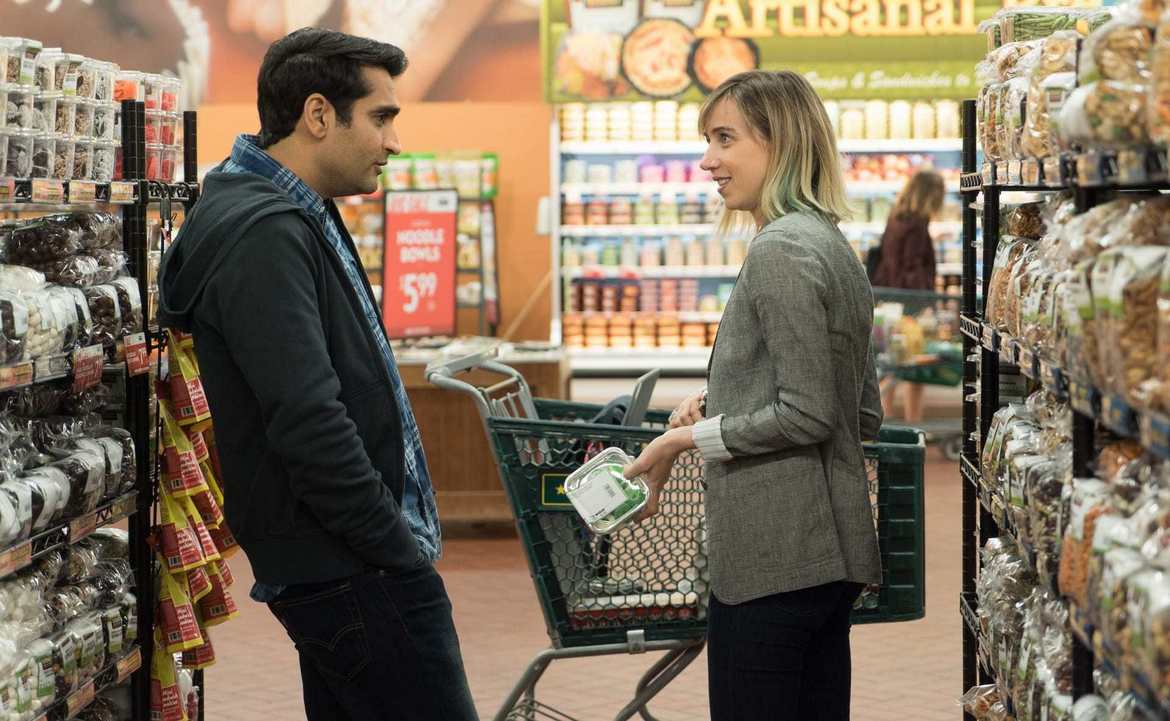
When, exactly, did romantic comedies become extinct? I’m not even talking about “classic” rom-coms such as When Harry Met Sally... or Sleepless in Seattle, or that exceptional Julia Louis-Dreyfus/James Gandolfini charmer Enough Said from 2013 (the most recent example of a truly topnotch one I can think of). I’m talking about the genre as a regular staple of moviegoing, with headliners such as Sandra Bullock and Jennifer Lopez and, God help us, Katherine Heigl falling for lesser stars in vehicles that were once as abundant as Blumhouse horror flicks or crap reboots of ’80s TV shows. For anyone missing such offerings, I would direct you to director Michael Showalter’s The Big Sick, which just might stand as the most hysterical, moving, swoon-worthy rom-com of the millennium. For anyone not missing such offerings, I’d direct you to The Big Sick even more quickly, just so you can see what this genre is capable of when everything – and I mean everything – goes magically right.

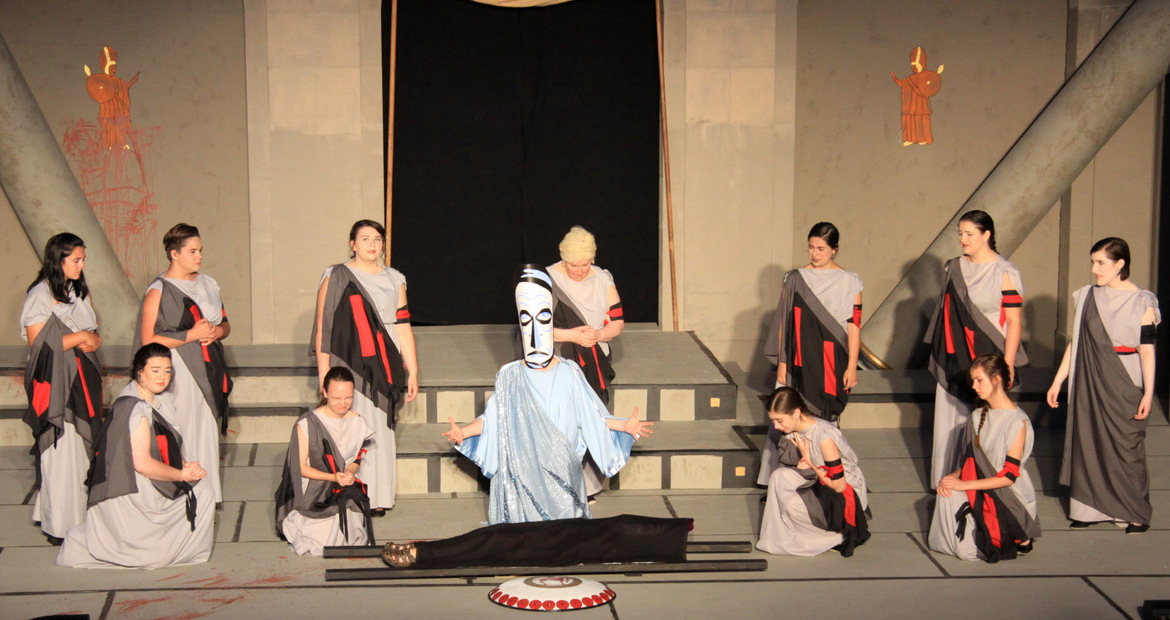
As stage bummers go, The Trojan Women has always been one of the most glorious – an astoundingly eloquent and affecting anti-war argument that plumbs depths of almost immeasurable sadness. Yet as Genesius Guild’s current presentation of the Greek tragedy reminds us, Euripides’ play can also deliver a fantastic amount of joy, at least if you, too, annually wish that Guild offerings gave their female participants a little more to do.

Zombie Prom

Zombie Prom has the distinction of being the first production in the inaugural season for the Mississippi Bend Players (MBP) – a debuting summer-theatre company, with Philip Wm. McKinley serving as producing artistic director, whose works will be staged at Augustana College’s Brunner Theatre Center.

Ansel Elgort in Baby Driver

It has no traditional showstopper numbers or crooning chorus kids, and Baby Driver might still prove to be the movie musical of the year.

“Welcome to theatre in the park!” announced Genesius Guild Executive Director Doug Tschopp at the June 24 presentation of The Comedy of Errors. Tschopp didn’t, however, say this during his customary greeting and introductory remarks. He said it during an unplanned break roughly 20 minutes into the Shakespeare comedy while he, director Bryan Woods, and a stagehand used makeshift mops to soak up the accumulating rain that had been causing performers to slip.

Transformers: The Last Knight

It can’t be easy directing solely with your middle finger, but somehow Bay has pulled it off; in one fell swoop here, he’s turned his humans into robots, his robots into pests, and his worldwide audiences into saps whose goodwill, patience, and money he appears all too willing to waste.

Pages